
Unveiling the Hidden NFT Owner: How to Identify and Track Anonymous Digital Collectors
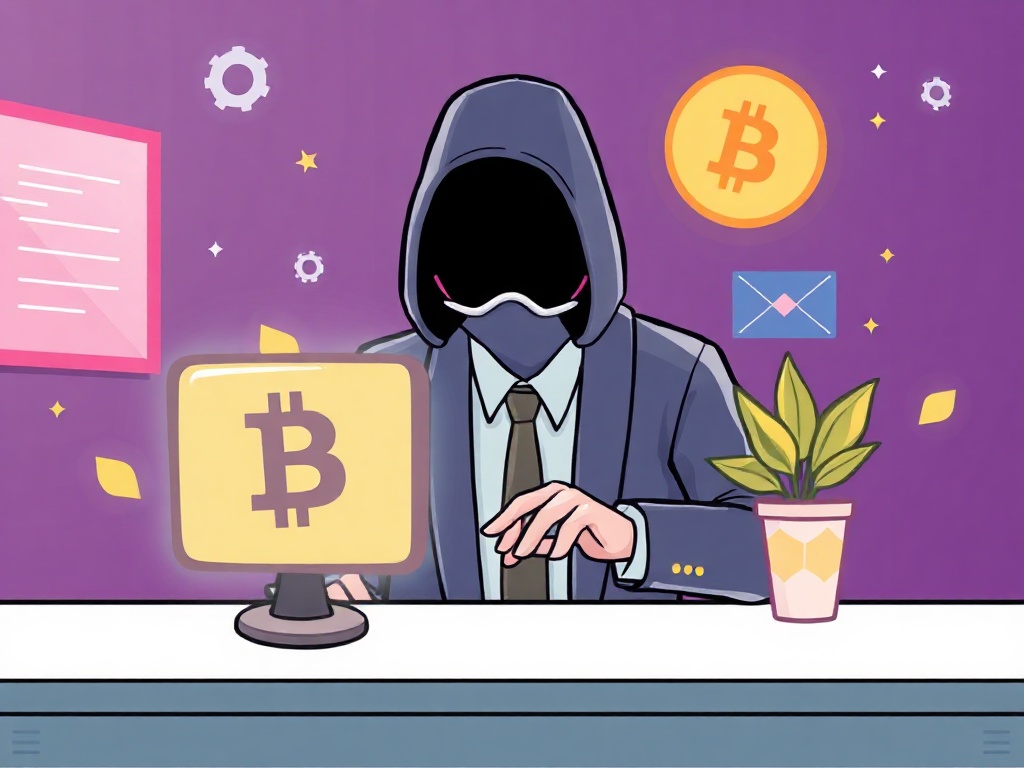
Unveiling the Hidden NFT Owner: How to Identify and Track Anonymous Digital Collectors
In the rapidly evolving world of blockchain and digital assets, NFTs (Non-Fungible Tokens) have emerged as a revolutionary way to prove ownership of unique digital items—from art and music to virtual real estate and collectibles. However, one of the most intriguing and often frustrating aspects of the NFT ecosystem is the hidden NFT owner. Many collectors and creators operate under pseudonyms or anonymously, making it challenging to trace who truly owns a valuable digital asset.
Whether you're an investor looking to verify ownership before purchasing, a creator trying to protect your intellectual property, or simply a curious enthusiast, understanding how to uncover the hidden NFT owner can provide valuable insights. In this comprehensive guide, we’ll explore the methods, tools, and strategies used to identify anonymous NFT owners, the ethical considerations involved, and how blockchain transparency can be leveraged to reveal hidden identities.
The Mystery of the Hidden NFT Owner: Why Anonymity Matters in the Digital Art World
The concept of anonymity in the NFT space isn’t just a quirk—it’s a fundamental aspect of how many creators and collectors operate. But why do so many NFT owners choose to remain hidden? The reasons are varied and often deeply rooted in personal, financial, or strategic motivations.
Privacy Concerns and Security Risks
For high-profile collectors or celebrities, revealing ownership of certain NFTs could expose them to risks such as targeted theft, harassment, or even physical threats. The decentralized nature of blockchain means that once an NFT is purchased, the transaction is permanently recorded on the ledger. If a wealthy individual’s wallet address is linked to a high-value NFT collection, it could make them a target for hackers or scammers.
Additionally, some collectors prefer to keep their digital asset portfolios private to avoid market manipulation. If it becomes public knowledge that a particular investor owns a rare NFT, it could artificially inflate or deflate its value based on perceived demand.
Tax Evasion and Legal Loopholes
While blockchain transactions are transparent, the identities behind wallet addresses are not inherently linked to real-world identities—unless the owner chooses to disclose them. This has led some to exploit the system for tax avoidance or money laundering, though such practices are illegal and increasingly scrutinized by regulators.
In jurisdictions with strict tax laws, some NFT owners may use anonymity to obscure their holdings, making it difficult for authorities to track capital gains or income from digital asset sales. However, as governments worldwide tighten regulations on crypto and NFT transactions, the days of complete anonymity may be numbered.
The Appeal of Pseudonymity in Creative Communities
Many digital artists and creators adopt pseudonyms not out of malice, but as a way to separate their professional and personal lives. Anonymity allows artists to experiment with controversial or unconventional themes without fear of backlash. It also enables them to build a reputation based solely on the quality of their work, rather than their real-world identity.
For example, the anonymous artist Pak, known for creating generative NFT art, has maintained a veil of secrecy while amassing a fortune in digital sales. The mystery surrounding their identity has only added to the allure of their work, proving that anonymity can be a powerful marketing tool in the NFT space.
How Blockchain Transparency Can Help Uncover a Hidden NFT Owner
At first glance, blockchain seems contradictory to the idea of anonymity. After all, every transaction is recorded on a public ledger, accessible to anyone with an internet connection. So, how can an NFT owner remain hidden despite this transparency? The answer lies in the distinction between pseudonymity and anonymity.
A wallet address on a blockchain like Ethereum or Solana is not directly tied to a real-world identity—it’s a string of alphanumeric characters. However, this pseudonymity can be broken if the owner links their wallet to a known identity, such as by connecting it to a social media account, using a KYC (Know Your Customer) service, or making a purchase through a platform that requires identity verification.
Public Blockchain Explorers: Your First Tool for Tracking NFT Ownership
Blockchain explorers like Etherscan (for Ethereum), Solscan (for Solana), or BscScan (for Binance Smart Chain) allow users to search for wallet addresses and view their transaction histories. If you have the wallet address associated with an NFT, you can input it into one of these explorers to see:
- All NFTs held in that wallet
- Historical transactions (purchases, sales, transfers)
- Links to associated smart contracts
- Token balances and DeFi interactions
However, if the wallet address hasn’t been linked to any public identity, this method alone won’t reveal the hidden NFT owner. The challenge is finding a way to connect the wallet address to a real person.
Analyzing Transaction Patterns to Identify Owners
Even without direct identity links, transaction patterns can sometimes hint at the owner’s identity. For example:
- Cluster Analysis: If a wallet frequently interacts with exchanges, DeFi platforms, or other services that require KYC, those services may have records of the owner’s identity.
- Social Media Clues: Some NFT owners publicly share wallet addresses or transaction hashes in tweets, Discord messages, or forum posts. A simple search for the wallet address on Twitter or Reddit might reveal connections.
- Metadata and IPFS Links: Some NFTs contain metadata stored on IPFS (InterPlanetary File System) that may include the creator’s or owner’s name, email, or other identifiers.
Tools like Nansen, Dune Analytics, or CryptoQuant aggregate blockchain data and provide advanced analytics that can help trace wallet activity across multiple blockchains. These platforms often flag wallets associated with known entities, such as whales (large investors) or influential collectors.
The Role of NFT Marketplaces in Revealing Owners
Most major NFT marketplaces, such as OpenSea, Rarible, or Foundation, display the current owner of an NFT publicly. However, if the owner uses a privacy-focused wallet or a service like Tornado Cash (a mixer that obscures transaction trails), their identity may remain hidden.
Some marketplaces also offer verified collections, where creators or owners must undergo identity verification to display a blue checkmark. While this doesn’t guarantee full transparency, it provides a layer of trust for buyers.
Advanced Techniques to Unmask a Hidden NFT Owner
For those determined to uncover the identity behind a hidden NFT owner, more sophisticated methods may be required. These techniques often involve cross-referencing blockchain data with off-chain information, leveraging legal tools, or using investigative techniques borrowed from cybersecurity and financial forensics.
Cross-Chain Analysis and Wallet Clustering
Many NFT owners use multiple blockchains to diversify their holdings or avoid high gas fees. By analyzing wallet activity across chains (e.g., Ethereum, Polygon, Solana), investigators can build a more complete picture of an owner’s behavior.
For example, if a wallet interacts with a KYC-verified exchange on one chain and holds high-value NFTs on another, the exchange’s records might reveal the owner’s identity. Tools like Chainalysis or TRM Labs specialize in cross-chain transaction tracking and are often used by law enforcement and compliance teams.
Social Engineering and OSINT (Open-Source Intelligence)
OSINT involves gathering information from publicly available sources to piece together clues about an individual’s identity. Techniques include:
- Reverse Image Search: If the NFT owner uses the same profile picture across platforms like Twitter, Discord, or LinkedIn, a reverse image search (using tools like Google Images or TinEye) might reveal their real identity.
- Metadata Extraction: Some NFTs or associated files (e.g., profile pictures, videos) contain hidden metadata that may include geolocation data, timestamps, or device information.
- Forum and Community Activity: Checking platforms like Reddit, Bitcointalk, or niche NFT forums for discussions about the NFT or its owner can yield valuable leads.
While OSINT is legal when conducted on publicly available data, it’s important to respect privacy boundaries and avoid harassment or doxxing (revealing someone’s private information without consent).
Legal Requests and Subpoenas
In cases where uncovering the hidden NFT owner is critical—such as in disputes over stolen assets, copyright infringement, or fraud—legal avenues may be necessary. For example:
- Exchange Subpoenas: If the NFT was purchased through a centralized exchange (e.g., Coinbase, Binance), law enforcement or legal teams can issue subpoenas to compel the exchange to reveal the user’s identity linked to the wallet address.
- Court Orders: In civil litigation, a judge may order a blockchain analysis firm or marketplace to disclose transaction data tied to a specific NFT.
- DMCA Takedowns: If an NFT infringes on copyright (e.g., stolen art), the original creator can file a DMCA complaint with marketplaces, forcing the platform to reveal the owner’s wallet address.
However, legal processes can be slow, expensive, and may not always yield results, especially if the owner operates in a jurisdiction with weak enforcement of crypto-related laws.
The Dark Side: Scams and Illicit Use of Anonymity
While anonymity can be a legitimate privacy tool, it’s also exploited for illegal activities, such as:
- Wash Trading: Artificially inflating the price of an NFT by having the owner buy it back and forth between wallets they control.
- Rug Pulls: Scammers create an NFT project, hype it up, then abandon it and disappear with investors’ funds.
- Money Laundering: Using NFTs to obscure the origin of illicit funds by purchasing high-value NFTs and then reselling them.
In these cases, uncovering the hidden NFT owner isn’t just about curiosity—it’s about protecting investors and upholding legal standards. Organizations like the Financial Crimes Enforcement Network (FinCEN) in the U.S. and Europol in Europe are increasingly monitoring NFT transactions for suspicious activity.
Ethical Considerations: When Should You Uncover a Hidden NFT Owner?
The pursuit of uncovering a hidden NFT owner raises important ethical questions. While blockchain transparency is a core feature of decentralized systems, the right to privacy must also be respected. Here’s when it may be justified—and when it crosses the line.
Justified Reasons to Identify an Owner
There are scenarios where revealing an owner’s identity serves a greater good or protects stakeholders:
- Protecting Copyright: If an NFT contains stolen art or plagiarized content, the original creator has a right to know who is profiting from their work.
- Preventing Fraud: If an NFT project is revealed to be a scam (e.g., a rug pull), investors deserve to know who is responsible.
- Legal Disputes: In cases of inheritance, divorce settlements, or contract breaches, identifying an NFT owner may be necessary to resolve disputes.
- Market Integrity: If wash trading or price manipulation is suspected, regulators may need to identify the parties involved to take action.
Ethical Gray Areas
Not all attempts to uncover an owner are black-and-white. Some situations require careful consideration:
- Privacy vs. Transparency: Just because someone owns an NFT doesn’t mean they should lose their right to privacy. Many collectors buy NFTs purely for investment and have no intention of flaunting their wealth.
- Doxxing Risks: Revealing an owner’s identity without consent can lead to harassment, stalking, or even physical harm, especially if the NFT holds significant value.
- DeFi and Decentralization: The ethos of decentralization includes the right to financial privacy. Pushing for full transparency in all cases could undermine the principles of blockchain.
Best Practices for Ethical Investigation
If you’re determined to uncover a hidden NFT owner, follow these guidelines to ensure your actions are ethical and legal:
- Start with Public Data: Use blockchain explorers, marketplaces, and social media searches before resorting to invasive methods.
- Respect Privacy: Avoid sharing personal information about the owner unless absolutely necessary for legal or ethical reasons.
- Consult Experts: If the case involves legal or financial stakes, consult a lawyer or blockchain forensic expert to ensure compliance with laws.
- Consider Alternatives: Sometimes, the goal isn’t to reveal the owner’s identity but to verify the legitimacy of the NFT itself (e.g., checking its provenance on-chain).
- Be Transparent About Intentions: If you’re investigating on behalf of a client or organization, communicate your methods and goals clearly to avoid misunderstandings.
Tools and Resources to Help You Track Down a Hidden NFT Owner
Whether you're a collector, investor, or investigator, having the right tools at your disposal can make the difference between success and failure in uncovering a hidden NFT owner. Below is a curated list of platforms, software, and services that can assist in your research.
Blockchain Explorers and Analytics
These tools allow you to search and analyze on-chain data:
- Etherscan (etherscan.io) – The go-to explorer for Ethereum and ERC-721/ERC-1155 NFTs.
- Solscan (solscan.io) – Best for Solana-based NFTs like Degenerate Ape Academy or Solana Monkey Business.
- BscScan (bscscan.com) – Useful for BNB Chain NFTs like PancakeSwap’s NFT marketplace.
- Polygonscan (polygonscan.com) – Ideal for NFTs on the Polygon network, which offers lower fees.
- Nansen (nansen.ai) – A premium analytics platform that tracks wallet activity, NFT sales, and whale movements.
- Dune Analytics (dune.com) – Allows users to create custom dashboards for tracking NFT trends and ownership.
Privacy and Anonymity Tools
If you're trying to protect your own anonymity as an NFT owner, these tools can help:
- Tornado Cash – A privacy mixer for Ethereum that obscures transaction trails.
- Wasabi Wallet – A privacy-focused Bitcoin wallet that can be used for off-ramping NFT profits anonymously.
- Monero (XMR) – A privacy coin that can be used to purchase NFTs indirectly via decentralized exchanges.
- VPNs and Tor – Essential for masking your IP address when interacting with NFT platforms.
OSINT and Social Media Tools
For digging into off-chain clues:
- Maltego – A powerful OSINT tool for mapping relationships between entities (e.g., wallet addresses, social media accounts).
- SpiderFoot – An open-source intelligence automation tool that can scrape and correlate data from multiple sources.
- Google Dorking – Advanced search techniques to find hidden or archived information about an owner.
- Sherlock – A tool that checks if a username is used across multiple platforms, helping link social media accounts to wallet addresses.
Legal and Compliance Services
For those needing to take legal action:
- Chainalysis Reactor – Used by law enforcement to trace illicit crypto and NFT transactions.
- TRM Labs – Provides blockchain forensics and compliance solutions for financial institutions.
- CipherTrace
 Emily ParkerCrypto Investment Advisor
The Hidden NFT Owner: Why Anonymity in Digital Collectibles Matters and What Investors Should Know
As a certified financial analyst with over a decade of experience in cryptocurrency investment strategies, I’ve seen firsthand how the concept of the "hidden NFT owner" can both intrigue and unsettle investors. Anonymity in NFT ownership isn’t just a novelty—it’s a strategic advantage that can protect privacy, enhance security, and even influence market dynamics. While transparency is often praised in blockchain ecosystems, the ability to conceal ownership can be critical for high-net-worth individuals, creators, or institutions navigating regulatory scrutiny or competitive landscapes. However, this opacity also introduces risks, particularly around provenance verification and potential market manipulation. Investors must weigh these factors carefully, ensuring they conduct thorough due diligence before engaging with anonymously held assets.
From a practical standpoint, the "hidden NFT owner" phenomenon underscores the need for robust verification tools and trusted intermediaries. Many platforms now offer solutions like zero-knowledge proofs or decentralized identity verification to balance privacy with accountability. For retail investors, this means relying on reputable marketplaces that implement KYC (Know Your Customer) protocols, even if the final owner remains pseudonymous. Institutional players, on the other hand, may leverage private blockchains or curated NFT indices to mitigate risk while still participating in this evolving asset class. Ultimately, the rise of hidden NFT owners reflects a broader tension between privacy and transparency—a challenge that will shape the future of digital collectibles and their integration into mainstream finance.